Pegasus Experiment:
Reorganizing a Design Team So Everyone Does Their Best Work
- 20%higher design ratings
- 4designers, 3 squads
- 3 monthsside-by-side pilot
Disclaimer
The following case study is personal and does not necessarily represent IBM’s positions, strategies or opinions. I have omitted and obfuscated confidential information.

Summary
Overview
When I joined the Watson Assistant design team in 2019, the way we were organized was holding us back. I designed a new team structure, the Pegasus Experiment, so each designer worked where they were strongest.
The problem
Each designer was locked to one squad and one feature set. Skills didn’t match the work, some people were overloaded while others had capacity, and product knowledge sat in silos.
What I did
I created, piloted and scaled Pegasus, a DesignOps model built on flexible assignment and cross-discipline pairing.
Impact
Squads working with Pegasus rated design 20% higher than squads in the old model, and led to an initiative to make it repeatable for other teams.
Who I brought togetherDesigners, product managers and developers across three squads. PMs and developers started asking designers to run technical discussions, and more non-designers joined the design process.
The Challenge
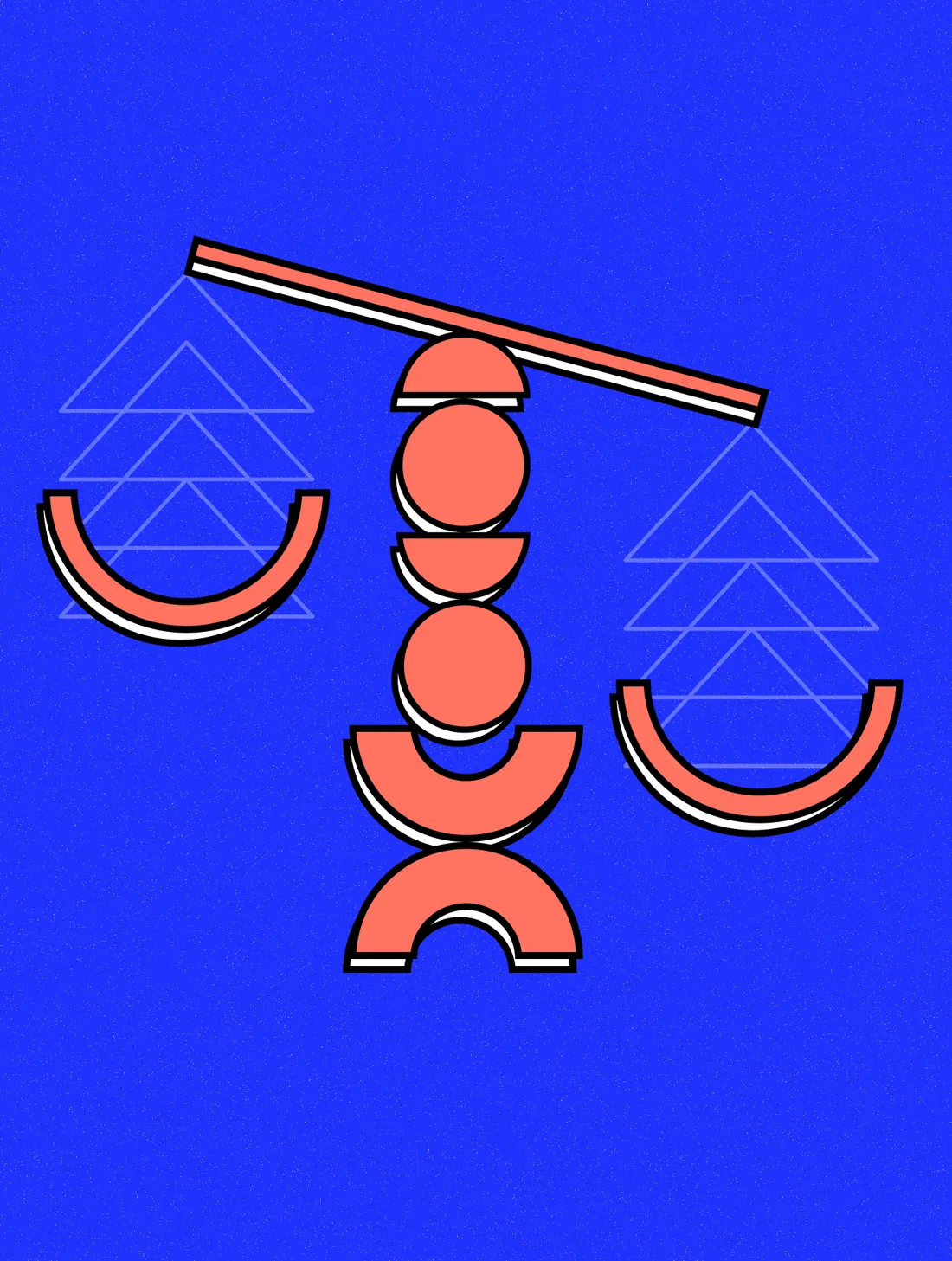
Each designer owned all of a squad’s design work, whatever the discipline. UX designers did visual work, visual designers did UX, and everyone tried research. Stretching is healthy, but we weren’t putting our strengths where they mattered, and relationships with squads were suffering.
Utilization
Uneven workloads left some designers swamped and others underused.
Hyper-specialization
Feature silos made us experts in one area and blind to the rest of the product.
Coverage
When someone was out, finding cover was hard.
The Approach
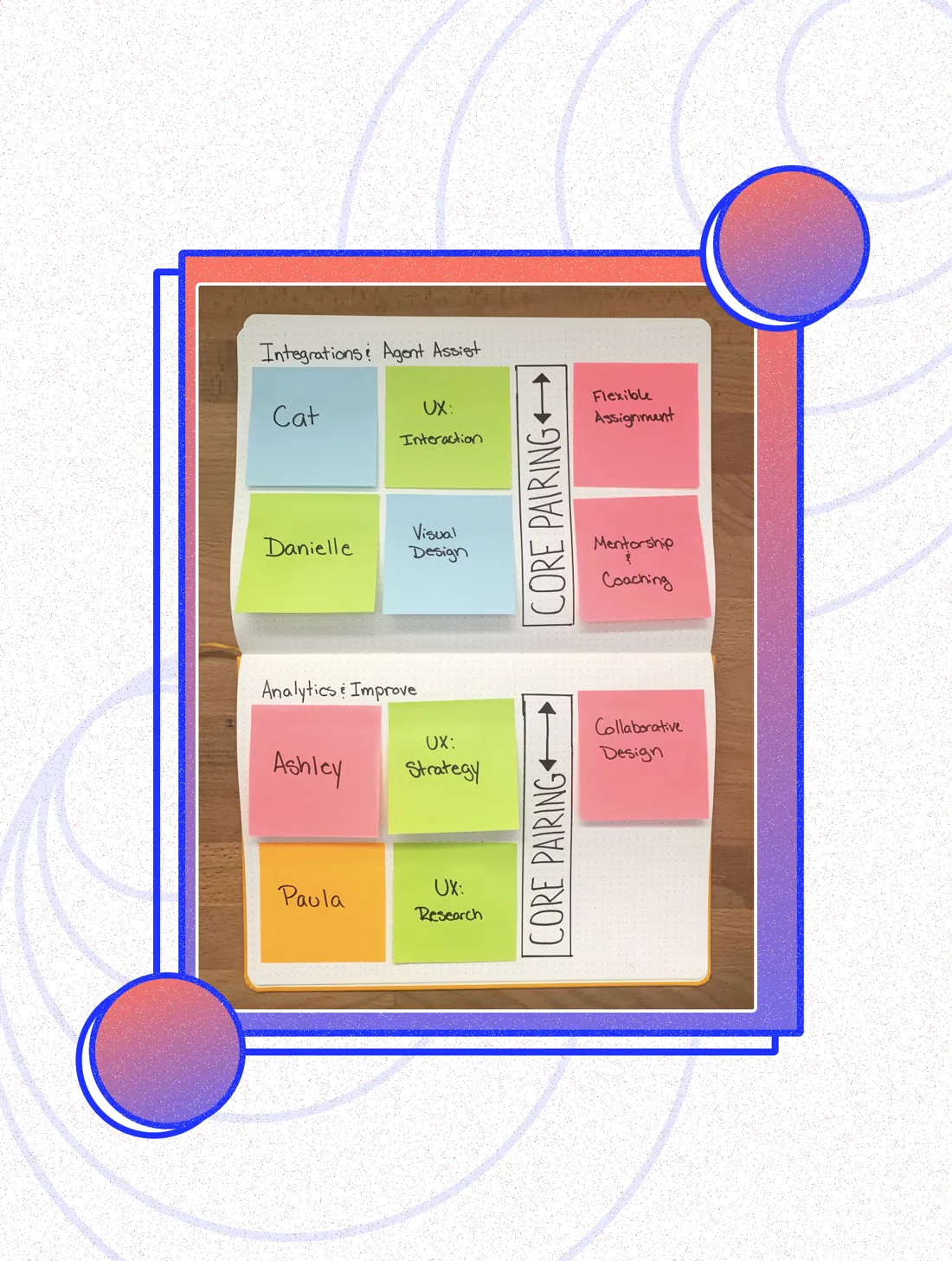
We mapped how the team worked today, linking each designer to their squad and a typical day. That made the gaps obvious.
Half the team formed Pegasus: four designers supporting three squads with related features. One was a visual designer, and three were UX designers focused on research, interaction and strategy. Our skills complemented each other, which made natural pairings for learning.
Implementation
Within weeks, Pegasus changed how our squads worked:
- Formal designer pairing for peer learning.
- Design thinking in everyday squad work.
- Set collaboration hours.
- Flexible assignment across related squads.
- A brown-bag lunch series to share skills.
Squads responded too, cutting meetings to make room for cross-discipline sessions.
Results
After three months, we surveyed the team to compare Pegasus with the old model, which half the team still used. We got 68 responses to 20 questions about relationships and how well design was working.
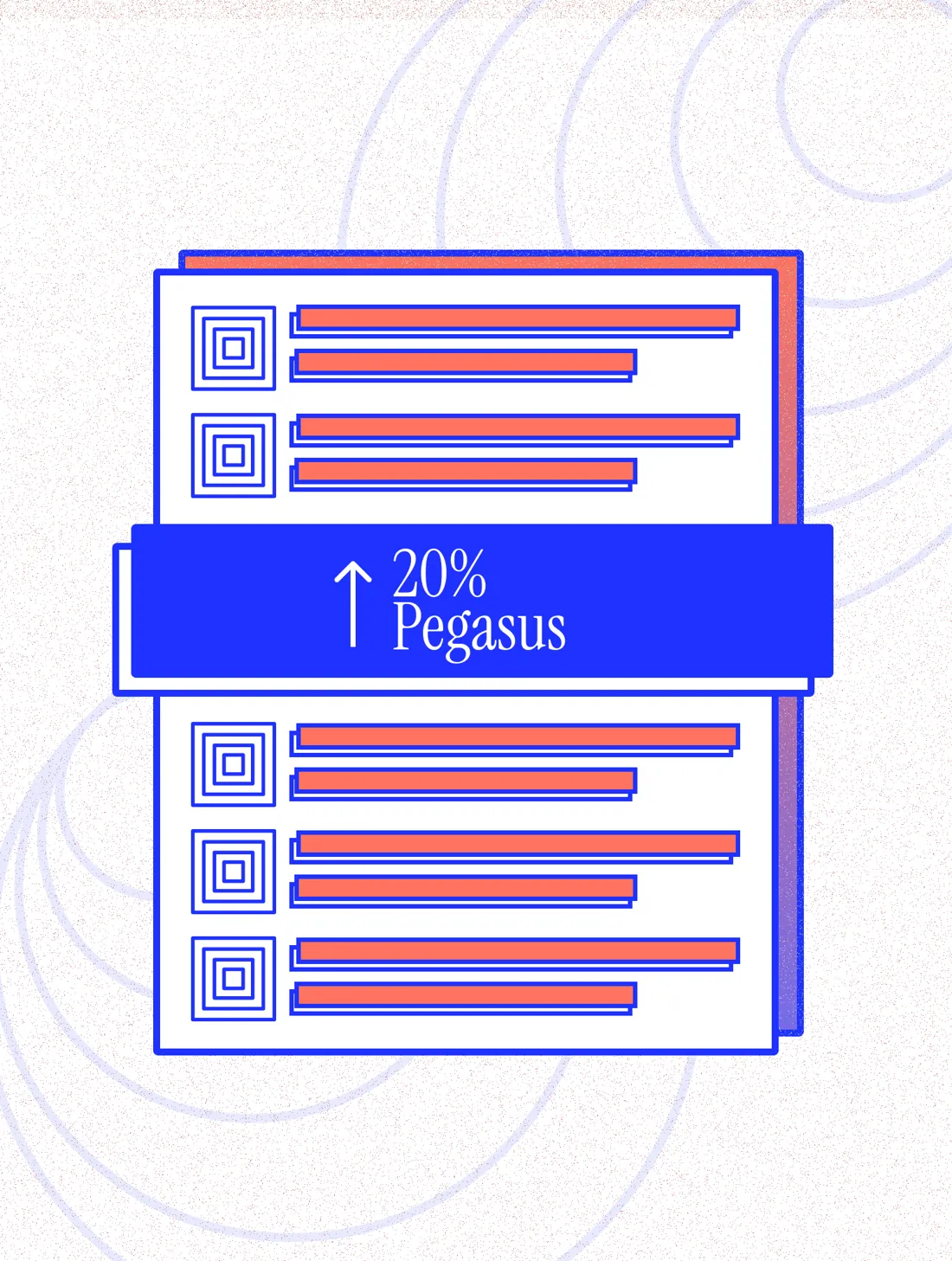
Squads with Pegasus rated design 20% higher.
That led to an initiative to turn Pegasus into a repeatable, measurable model for other teams.
The key decision
Restructure the whole team at once, or pilot the model with a few squads?
The options
We could restructure the whole design team at once, or pilot a new model with half the team and compare.
What we chose and why
A pilot. Running Pegasus next to the old model let us measure the difference instead of arguing about it.
The trade-off
For three months the team ran two ways of working at once, which took extra coordination but gave us real data.
Impact
Pegasus showed that how a design team is organized shows up in the quality of what ships.
higher design ratings from squads
team survey responses behind the result
Want to talk about this work? Get in touch.
What people are saying…
Ashley spearheaded an experimental design process within the Watson Assistant team [which] has led to significant quality improvements for interdisciplinary squad members, squad productivity, and individual design experiences. […] The outcome, in turn, reduces risks of product design/development [misalignment], increases velocity, and ultimately results in shipping better products faster!