
AI Summit:
Getting 20 AI Experts to Start With People, Not Technology
- 20AI experts and leaders
- 3 daysfacilitated
- 4 teamsone end-to-end use case
Disclaimer
The following case study is personal and does not necessarily represent IBM’s positions, strategies or opinions. I have omitted and obfuscated confidential information.

Summary
Overview
In July 2018, I was invited to facilitate IBM Watson’s annual AI Summit: three days with 20 AI experts and leaders from around the world, generating ideas for new AI features.
The problem
Past Summits favored technical novelty over user value, so few ideas made a real difference for customers.
What I did
I redesigned and facilitated the whole event with a custom Design Thinking agenda, including “Big Idea Vignettes” with one rule: no technical ideas allowed.
Impact
I turned three days of brainstorming into a prioritized set of user-centered ideas that were adopted into the product roadmap. One lead architect called it the first truly holistic planning session.
Who I brought togetherTwenty AI experts and leaders from engineering, offering management, design and research, who left with one user-first set of priorities for the roadmap.
The Challenge
The room was full of leading AI experts from engineering, offering management, design, research and leadership. Past Summits produced ideas that were technically interesting but did little for end users.
My goal was to shift the group from building features to solving user problems. We combined design thinking and gamestorming activities, gave each a clear purpose, and padded the schedule with discussion time.
Building Empathy
Hopes & fears
Everyone shared their hopes and fears for the Summit, which helped us avoid what went wrong before.
Team formations
Four teams each took part of a big end-to-end use case, with a persona, a needs statement and a current workflow to mark up pain points.
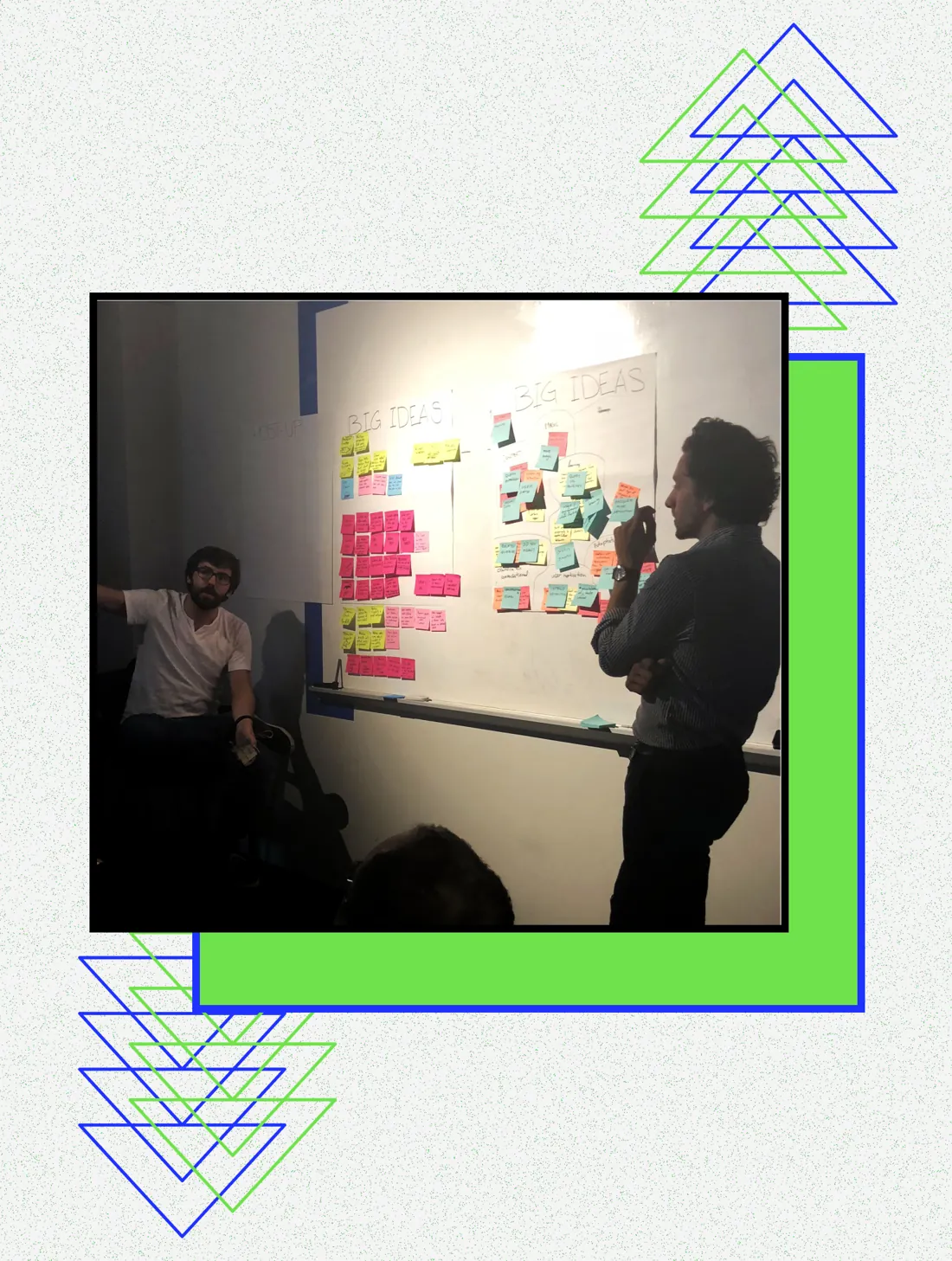
Big Idea Vignettes
Each person came up with 3–5 big ideas for those pain points. The catch: nothing technical. Ideas ranged from practical to absurd.
From Ideas to Priorities
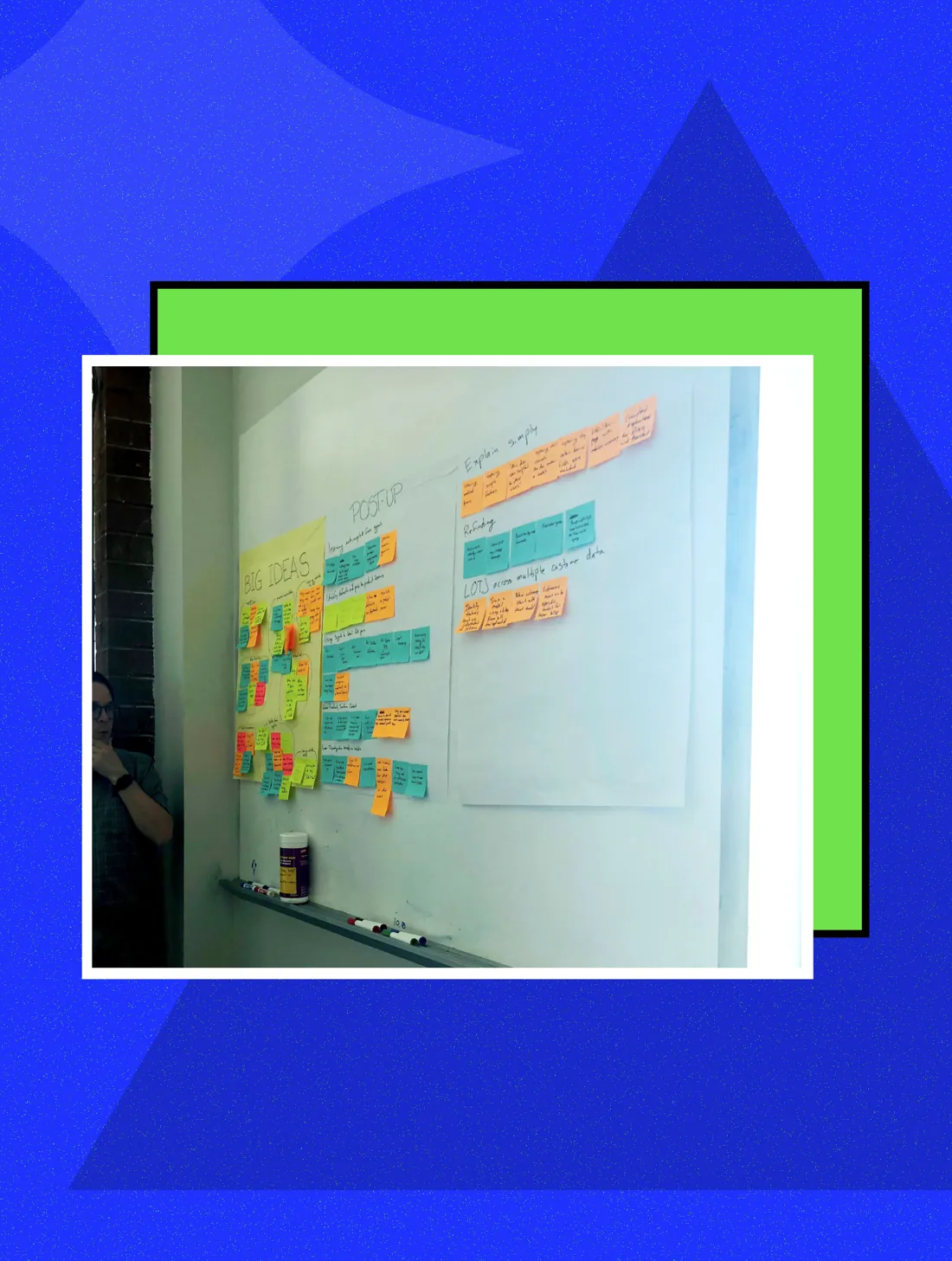
Post-up
Time to get technical. Teams ditched our prompts, started working out how to build their ideas, and ran well past time.
The $100 test
Teams “spent” money on their best ideas, then pitched them to the other teams.
Innovation generator
Plotting ideas on a novelty matrix didn’t create new ones, but it sparked useful debate about combining and cutting.
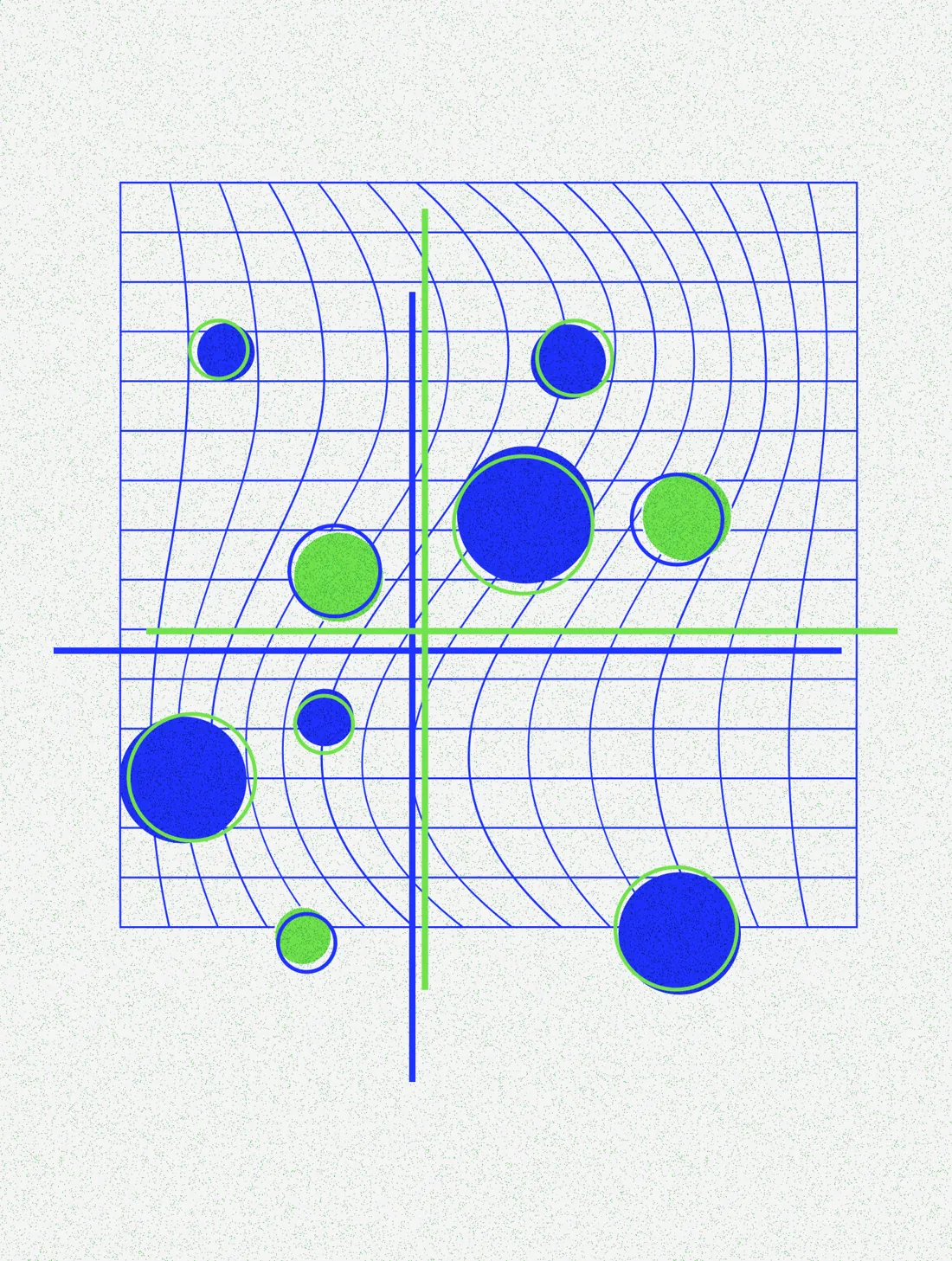
Prioritization grid
We plotted every idea by user value and effort, and captured open questions to gauge risk for the roadmap.
The key decision
Start from new model capabilities, or from workflow pain points?
The options
A room of AI experts naturally starts with what the technology can do. We could follow that energy or redirect it.
What we chose and why
We started with people: personas, pain points and Big Idea Vignettes with a firm “no technical ideas” rule.
The trade-off
Some ideas weren’t feasible, so the post-up and $100 test brought feasibility back in before anything reached the roadmap.
Impact
The Summit’s top-ranked, user-centered ideas went into the product roadmap.
AI experts and leaders aligned on user problems
days of facilitated workshops
Want to talk about this work? Get in touch.
What the participants said…
Ashley did a terrific job running our [AI Summit]. For the first time I feel as though we embraced a holistic planning approach that had a good balance of input from all the stakeholders needed to make a release successful. Kudos to Ashley for making the process inclusive, well-organized, efficient, and even fun!
Ashley [pulled it off] — Putting that many opinionated engineers into the same room and keeping us on track and actually accomplishing tasks is not easy…
[Ashley] helped setup the agenda and activities, kept us on track, followed up after the workshops, and does a great job motivating us to actually get things done!